
 Guide
GuideMistral OCR: cut your bill 10x with open weights
Mistral OCR costs $4 per 1,000 pages. An open-weight OCR on a European GPU drops to $0.15 and stays sovereign. Benchmark, break-even point and pitfalls.
10 min
AI prototyping & POC
An AI idea is only worth what it delivers on your data and in your processes. We assess it, code the components that prove it holds up, then take it all the way to production if it earns it.
At the end, a clear answer: go, adjust or stop
With generative AI, an impressive demo takes an afternoon. Knowing whether it will hold up on your data, in your processes, at your volume and for an acceptable cost takes a different kind of work.
A proof of concept answers that question before you commit a development budget. We first look for the risk that could sink the idea: data that is too thin, reliability that falls short, costs that spiral, an integration that cannot be done, users who do not want it. Then we write the minimum code needed to clear it or confirm it. We test what could break first, not what makes a nice demo.
If the idea does not work, you find out in a few weeks rather than after a year of development: that is a result too.
LLMs, RAG, agents, OCR and vision, classic machine learning, open or proprietary models: we run them in production for our clients. We know what each one really delivers today, beyond the vendors’ announcements.
The prototype is built with the people who will do the work. Success is defined in their terms (hours saved each week, fewer data entry errors). The model score comes second.
A small senior team, no committees, no subcontracting. We show working code at every checkpoint and change direction as soon as the results call for it.
Method
Each stage ends with a decision you make with results in front of you. You can stop at any of them.
A workshop with the business teams, a review of the available data, a look at the technologies that could fit. We pin down the main risk and put a cost on the idea. It takes a few days.
Deliverable: a feasibility note, our reasoned opinion and a prototyping plan.
We code the critical components on your real data: data preparation, model comparison, processing pipeline, minimal interface. The prototype is measured on a representative set of cases, then handed to a few users.
Deliverable: a working prototype, a quantified evaluation report and an estimate of running costs.
If the prototype delivers, it goes into production: target architecture, security, access rights, observability, scaling, integration with your information system. We do it ourselves or with your teams, or we hand over.
Deliverable: a solution in production, or a complete handover package for your teams or your integrator.
Back to reality
A demo proves it is possible. A proof of concept proves it is possible in your company. Before we tell you yes, we answer six questions.
Volume, quality, access, formats, usage rights. Most ideas stumble here, so that is where we start.
A draft reviewed by an expert tolerates errors that an automated decision cannot. The acceptable threshold is set with the business, then measured.
A model call costs a few cents. Multiplied by your real volumes, it can cost more than the task it replaces. We run the numbers during the prototype.
Existing systems, authentication, hosting, confidentiality, data sovereignty: an isolated prototype says nothing about what happens once it is plugged in.
A tool that is technically right but badly placed in the workflow ends up unused. We test it with real users, on their own tasks.
Sometimes a simple rule, a script or a tool already in place does better, for less. If so, we tell you.
Experimentation ground
Six families that come up often. If your idea fits none of them, let’s talk anyway.
Extract data from invoices, contracts, reports or forms, cross-check it and flag anomalies, combining OCR, vision and language models.
An assistant that draws on your procedures, product documentation or archives, and cites its sources in every answer.
An agent that reads a request, queries your tools, prepares an action and submits it for human approval.
Ask a business question of a database or warehouse and get a traceable figure rather than an export to rework.
Route incoming requests, qualify tickets, spot weak signals in volumes nobody has time to read.
Draft summaries, minutes or standard replies from your templates and data, reviewed by a person before they go out.
Independence
We pick models and tools according to the idea being tested. The prototype often compares two or three approaches, and the evaluation report explains which one wins and why.
Ask This Guy builds its own AI platform. When it covers part of the need, the prototype saves weeks. When it does not, we build without it. Either way, the code, evaluation sets and results belong to you.
After the proof of concept
A validated prototype still has to reach production and find its users. What comes next depends on the skills you already have in-house.
Our engineers join your teams to put the solution into production, then evolve it based on real usage.
See forward deployed supportThe CIO path: governance, roadmap, security and the move to production without depending on a single vendor.
Our CIO offerTrain the teams who will use or take over the solution, on the use case you have just validated.
See the training offerDocument RAG, agents, connectors and EU hosting, when a ready-made foundation shortens the road to production.
Discover the platformResources
Selected articles and videos to better understand this solution and see how it works in practice.
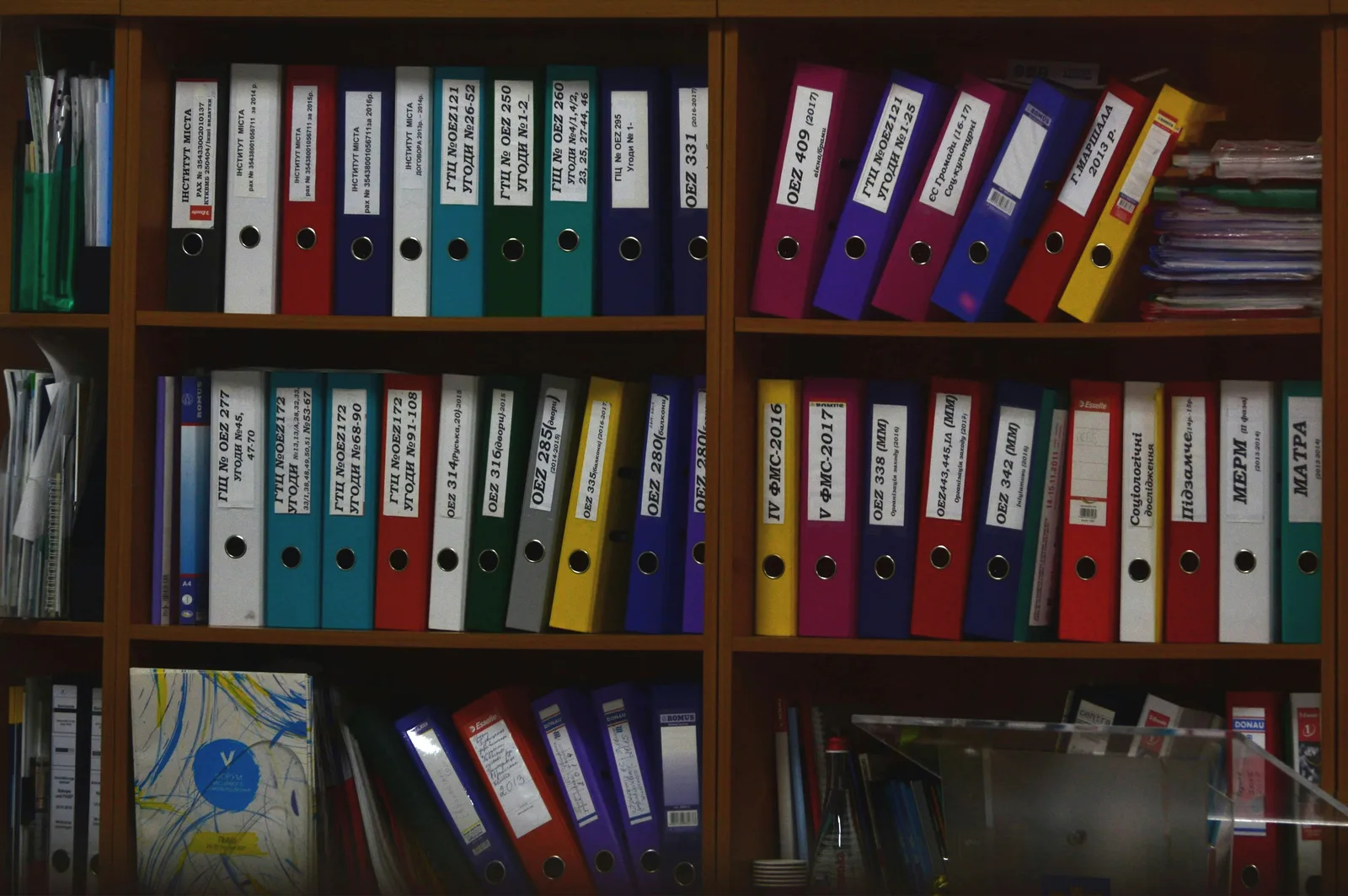
GuideMistral OCR costs $4 per 1,000 pages. An open-weight OCR on a European GPU drops to $0.15 and stays sovereign. Benchmark, break-even point and pitfalls.
 Guide
GuideRAG reranking with Jev, TypeSafe's AI model: how we use it in production, the scores it gives, the chunks it keeps, response time and cost.
 Guide
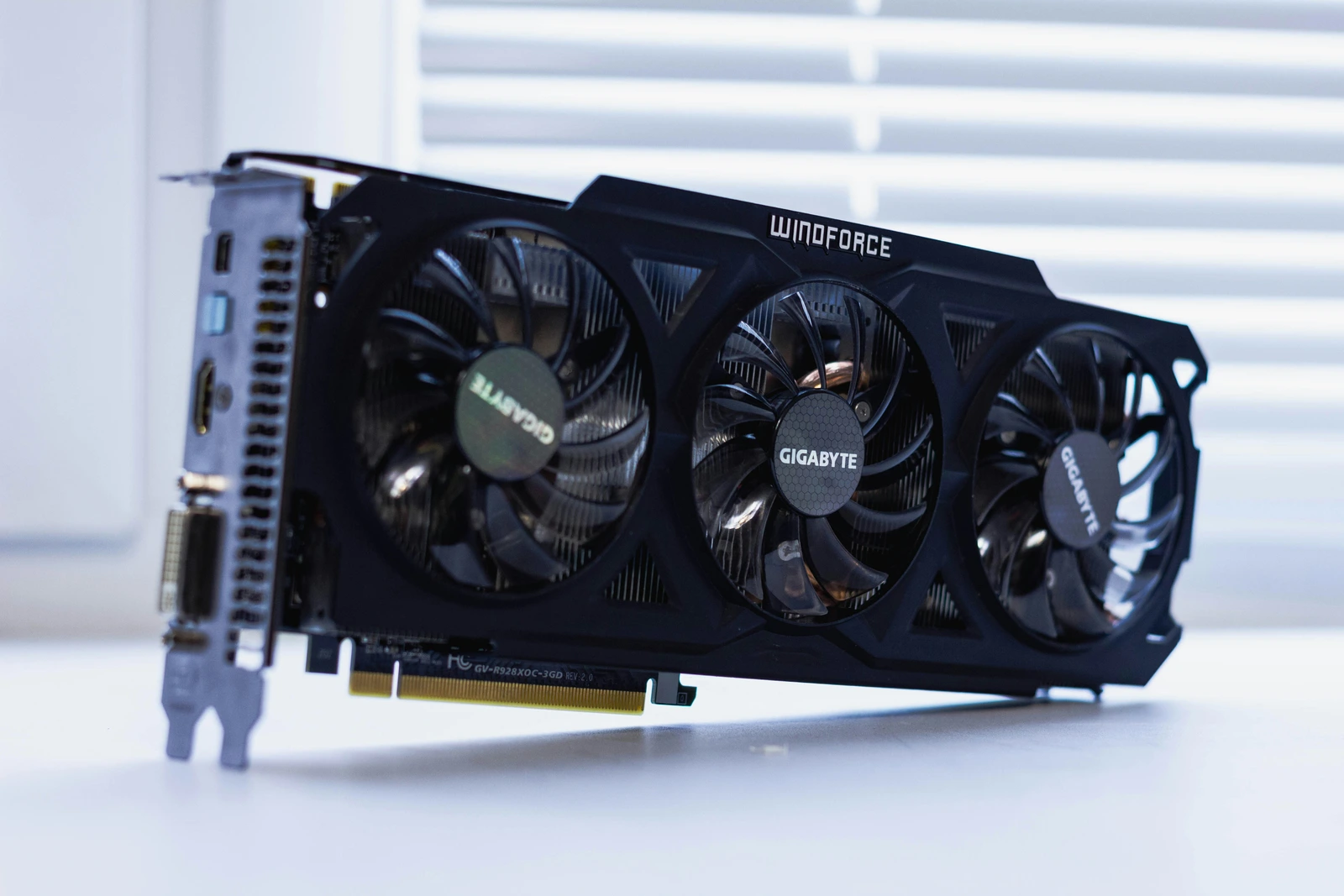
GuideEnterprise AI inference: 7 approaches compared, from buying GPUs to a turnkey provider. Real costs, sovereignty, latency and how to choose.
 Guide
GuideWhat is AI automation? Benefits, examples, tasks worth automating, and key steps to do it right while using as little AI as possible in production.
 Guide
GuideAn enterprise RAG is relatively easy to prototype. Making it a useful, stable product is a much bigger challenge. Here are the five most common production pitfalls—and how to get ahead of them.
 Concepts
Open-source vs open-weight: why LLMs can't be truly open-source like Linux, and what you actually get when a model releases its weights.
It is the rapid build of a reduced but working version of an AI solution, on real data, to check that an idea is feasible before funding its full development. The proof of concept targets the main risks (data, reliability, cost, integration, adoption) and produces measurements.
With a precise use and an identified risk. You name the users, the task and the success criterion, then check on a sample of real data that the weakest point holds. That is the job of the assessment stage: a few days to find out whether the AI project deserves a prototype.
A typical POC shows that a technology works under favourable conditions. Ours targets feasibility under your conditions: your data, your volumes, your security constraints, your users. It also gives you what you need to decide on industrialisation, with a quantified evaluation and an estimate of running costs.
Assessing an idea takes a few days, a prototype usually a few weeks, depending on complexity and data access. We keep the scope tight: we prove what needs proving, nothing more.
We tell you as soon as it is established, with the measurements to back it up. Often a more modest version of the idea does work, and we propose it. Stopping after a few weeks of prototyping costs far less than stopping after a year of development.
No. Checking data availability and quality is part of the assessment, and a representative sample is enough to start. Sensitive data stays on your infrastructure or with a hosting provider based in the European Union.
Yes. The same people who built the prototype take it forward, so nothing gets lost along the way. We run the industrialisation, do it with your teams or hand the prototype and its documentation over to your integrator.
Not necessarily. The prototype uses the models and tools that suit your idea. Our platform is an option when it saves time, never a prerequisite.
Thirty minutes to talk it through: what you want to test, the data you have and what is holding you back.